So, You Need Structural Drying?
Nobody ever plans for water damage, but when it hits, getting your home dried out properly is the most important thing you can do to prevent bigger headaches down the road, like mold or structural issues. I've seen it countless times here in Charlotte, especially after those pop-up summer thunderstorms or a busted pipe in an older Dilworth home. This isn't just about mopping up water; it's about getting the moisture out of your walls, floors, and framing. Let's talk about what that really means for you and your home.
What's the Timeline Look Like?
When you're dealing with water, time is money, and it's also your biggest enemy. The clock starts ticking the moment the water incident happens. Ideally, you want to get structural drying underway within 24-48 hours. After that, the risk of mold growth skyrockets.
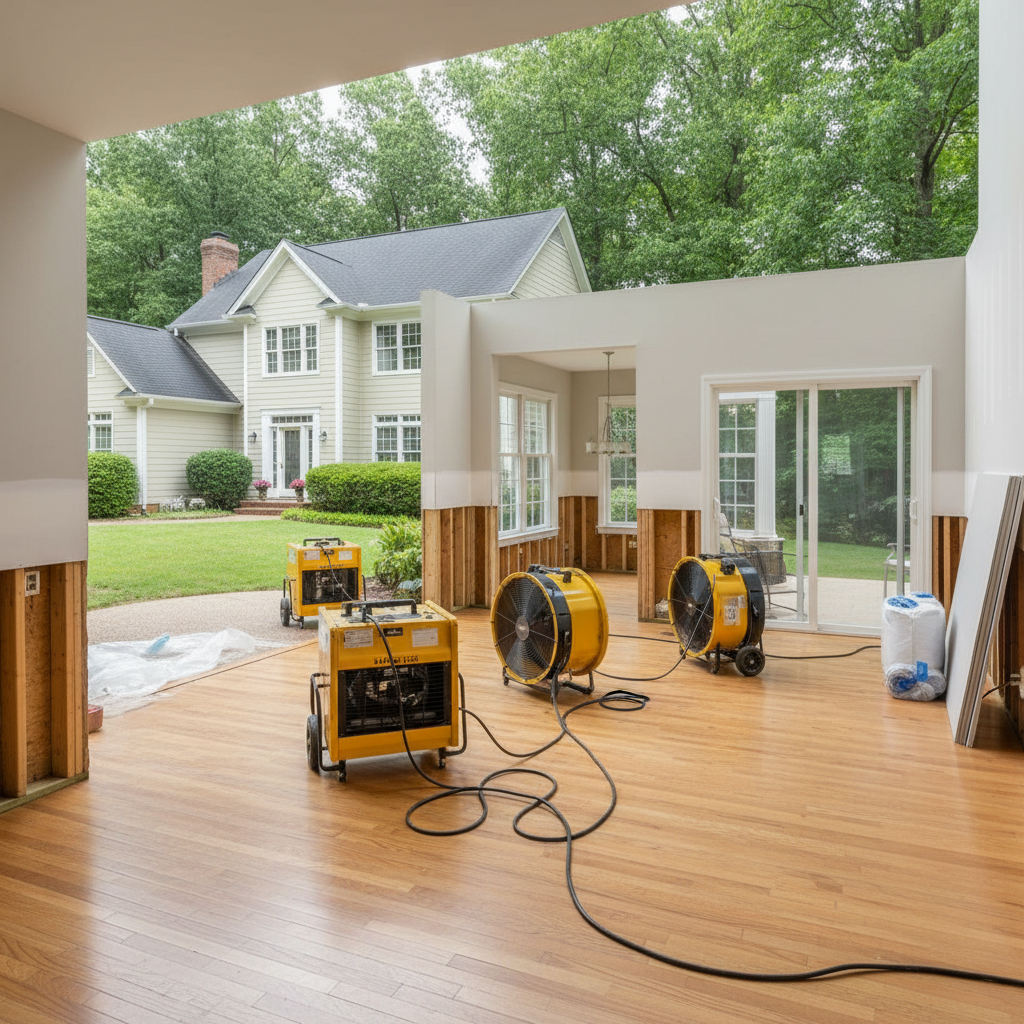
Once we're on site, the actual drying process usually takes anywhere from 3 to 7 days. Sometimes it's quicker, sometimes a bit longer, depending on the severity of the water damage, the type of materials affected, and how much humidity we're battling (and let's be honest, Charlotte's humidity can be a beast). We'll set up specialized equipment — air movers, dehumidifiers, air scrubbers — and monitor moisture levels daily. We're not just guessing; we're using meters to make sure everything's truly dry. You'll see us coming and going, checking on the equipment and taking readings. We won't pull the gear until those readings tell us your home is back to normal, pre-loss moisture levels.
What to Expect During the Process
First off, it's going to be noisy. Those air movers and dehumidifiers work hard, and they make a hum. It's temporary, but it's something to be aware of. You'll also notice a change in temperature and air circulation. We're essentially creating a controlled environment to pull moisture out of your home. Sometimes we'll need to remove some materials, like wet drywall or flooring, that are too far gone to dry in place. This isn't to make more work; it's because trying to dry saturated materials can be a waste of time and can actually trap moisture, leading to mold. We'll always discuss any demolition with you beforehand.
You'll have technicians in your home daily, sometimes twice a day, to monitor the drying progress. They'll be checking equipment, taking moisture readings, and making adjustments as needed. It's a science, not just an art. We're looking for specific moisture content levels in all affected materials to ensure a complete dry-out. Don't be surprised if they move things around a bit to get air flowing where it needs to go. Our goal is to get your home dry and safe as quickly and efficiently as possible.
How to Prepare Your Home
Before we even get there, or as soon as we arrive, there are a few things you can do to help us help you:
- Stop the water source: This is step one. If it's a burst pipe, turn off the main water valve. If it's a roof leak, try to tarp it temporarily.
- Remove valuables: Get any irreplaceable items, important documents, electronics, and small furniture out of the affected area. If you can, lift larger furniture off wet carpet or put foil under the legs.
- Clear pathways: We'll be bringing in equipment, so having clear paths helps us move faster and safer.
- Be available: We'll need access to your home daily, so try to be reachable for scheduling and updates.
- Ask questions: Seriously, don't hesitate. This is your home, and you have every right to understand what's happening.
We're here to guide you through this, but a little preparation on your end can make a big difference in how smoothly things go.
Questions to Ask Before Signing a Contract
Before you commit to any company, make sure you're comfortable with their approach. Here are some key questions I'd ask if I were in your shoes:
- Are you IICRC certified for water damage restoration? This is crucial. It means they've got the training and knowledge to do the job right. Horizon Restoration Solutions is, by the way.
- How do you determine what needs to be removed versus what can be dried in place? A good company will explain their process and the science behind it.
- What kind of equipment will you be using, and how does it work? They should be able to explain the purpose of air movers, dehumidifiers, and air scrubbers clearly.
- How often will you be monitoring the drying process, and what kind of readings will you be taking? Daily monitoring with accurate moisture meters is standard.
- Will you work directly with my insurance company? Many reputable companies, including us, can handle the insurance claims process for you, which takes a huge burden off your shoulders.
- What's the estimated timeline for drying, and what factors could change that? They should give you a realistic timeframe and explain variables.
- What's your plan for preventing mold growth? Proper drying is key, but sometimes anti-microbial treatments are also necessary.
- What happens after the drying is complete? Do you offer reconstruction services? Some companies only dry; others, like Horizon Restoration Solutions, can handle the whole repair process from start to finish.
Don't rush into anything. Get clear answers. This isn't just about fixing a problem; it's about restoring your peace of mind and protecting your investment in your Charlotte home.