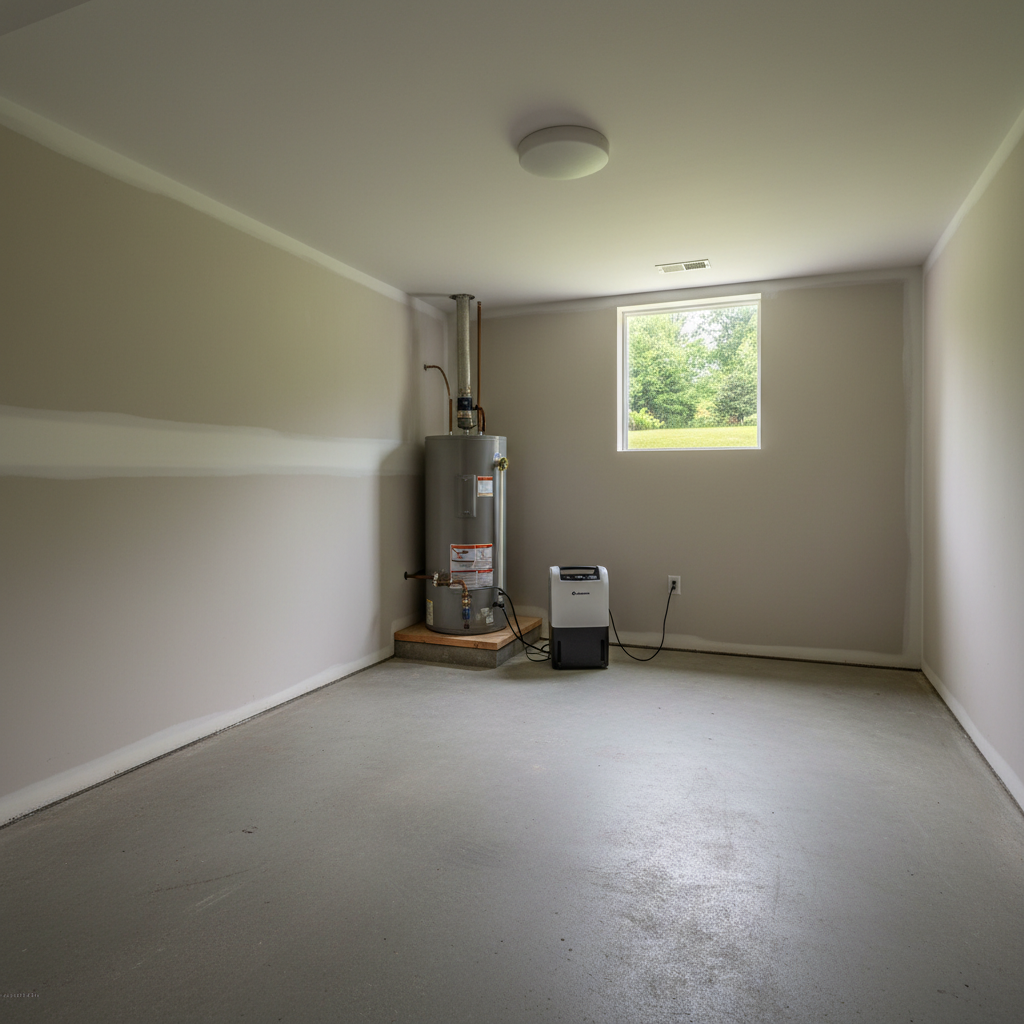
So, you've been through it. Water damage hit your home, and we or another good crew came in, dried things out, fixed the damage, and got your place back in shape. You probably breathed a sigh of relief, right? Good. But here's the thing: that relief shouldn't make you forget about the work. Remediation isn't a magic spell that makes your home invincible to water forever. It's a repair, and like any repair, it needs a little looking after to truly last.
Extending the Life of Your Water Damage Remediation
Think of it like getting your car fixed after an accident. You wouldn't just drive it hard and forget about it, would you? Same goes for your home. The goal of remediation is to restore your property to its pre-damage condition, but also to address the *cause* of the damage. If that cause was a leaky pipe, we fixed the pipe. If it was a foundation issue, we shored it up. But the environment around your home, especially here in Charlotte, is always working against you.
One of the biggest factors in NC is our humidity. It's a constant battle. Even after everything is dried out and repaired, moisture in the air can find its way into places you don't want it. Good air circulation is key. If you've got a crawl space, make sure it's properly encapsulated or at least has good ventilation. We see a lot of older homes in areas like Dilworth or Myers Park with crawl spaces that are just asking for trouble if they aren't managed right. Keeping your HVAC system well-maintained and running efficiently helps control indoor humidity, which is crucial for preventing mold regrowth in areas that were previously affected.
Also, don't ignore the areas that were repaired. If we replaced drywall, painted, or put down new flooring, keep an eye on it. Look for any discoloration, bubbling, or changes in texture. These can be early signs that moisture is making a comeback.
Regular Maintenance: Your Best Defense
This isn't rocket science, but it's easy to forget. Regular checks can save you a ton of headache and money down the road.
- Gutters and Downspouts: I can't stress this enough. Clear them out, especially after those heavy spring and summer thunderstorms we get. If your gutters are clogged, water overflows, pools around your foundation, and guess what? It finds its way in. Make sure downspouts extend at least six feet away from your foundation.
- Exterior Grading: Walk around your house. Does the ground slope away from your foundation? It should. If it slopes towards it, even slightly, you're inviting water in. This is a common issue in some of the newer developments with less established landscaping.
- Check for Leaks: Periodically check under sinks, around toilets, and behind appliances like your fridge and washing machine. A small drip today is a big problem tomorrow.
- HVAC Drip Pans and Lines: Your AC unit produces condensation, especially when it's working overtime in July. Make sure the drip pan isn't overflowing and the drain line isn't clogged.
- Roof Inspection: Give your roof a once-over twice a year, or after any major storm. Look for missing shingles, cracked flashing, or anything that looks out of place.
Warning Signs That Something's Wrong
You know your home better than anyone. Trust your gut if something feels off. But here are some specific things to watch for:
- Musty Odors: This is a big one. If you smell a persistent damp or earthy odor, especially in a basement or crawl space, that's a red flag. Mold often announces its presence with a smell before it's visible.
- Stains or Discoloration: Yellow, brown, or dark spots on ceilings, walls, or floors. These are classic signs of water intrusion.
- Peeling Paint or Wallpaper: Moisture behind a surface can cause paint to bubble or peel, and wallpaper to lift away.
- Warping or Swelling: Wood floors, baseboards, or even cabinet doors can warp or swell when exposed to excessive moisture.
- Increased Utility Bills: Sometimes, a hidden leak can lead to your water heater or furnace working harder, driving up your energy consumption.
- Visible Mold Growth: If you see fuzzy, discolored patches, don't ignore them. Small spots can quickly become big problems.
When to Call a Professional (Like Us at Horizon Restoration Solutions)
Look, a lot of the maintenance I just talked about, you can handle yourself. But there are times when you need to bring in the pros. Don't try to be a hero when it comes to water damage. Here's when to pick up the phone:
- Anytime you suspect a hidden leak: If you're getting those musty smells or seeing signs but can't pinpoint the source, we have the tools and experience to find it.
- If you find significant mold growth: Small patches (under 10 square feet) you *might* be able to tackle with proper precautions. Anything larger, or if it's in an HVAC system or behind walls, calls for professional remediation. Mold can be a health hazard, and you want it handled correctly.
- After a major plumbing burst or flood: Even if you've cleaned up the standing water, there's likely hidden moisture that needs professional drying and monitoring to prevent secondary damage like mold.
- If you notice structural issues: Sagging floors, cracked foundations, or persistent dampness in structural elements are not DIY projects.
- When the problem keeps coming back: If you've had water issues in the same spot multiple times, it means the underlying cause hasn't been fully addressed. We can come in, assess the situation, and figure out a permanent solution.
Taking care of your home after water damage remediation isn't just about protecting your investment; it's about protecting your peace of mind and your family's health. A little vigilance goes a long way in keeping your Charlotte home dry and safe.