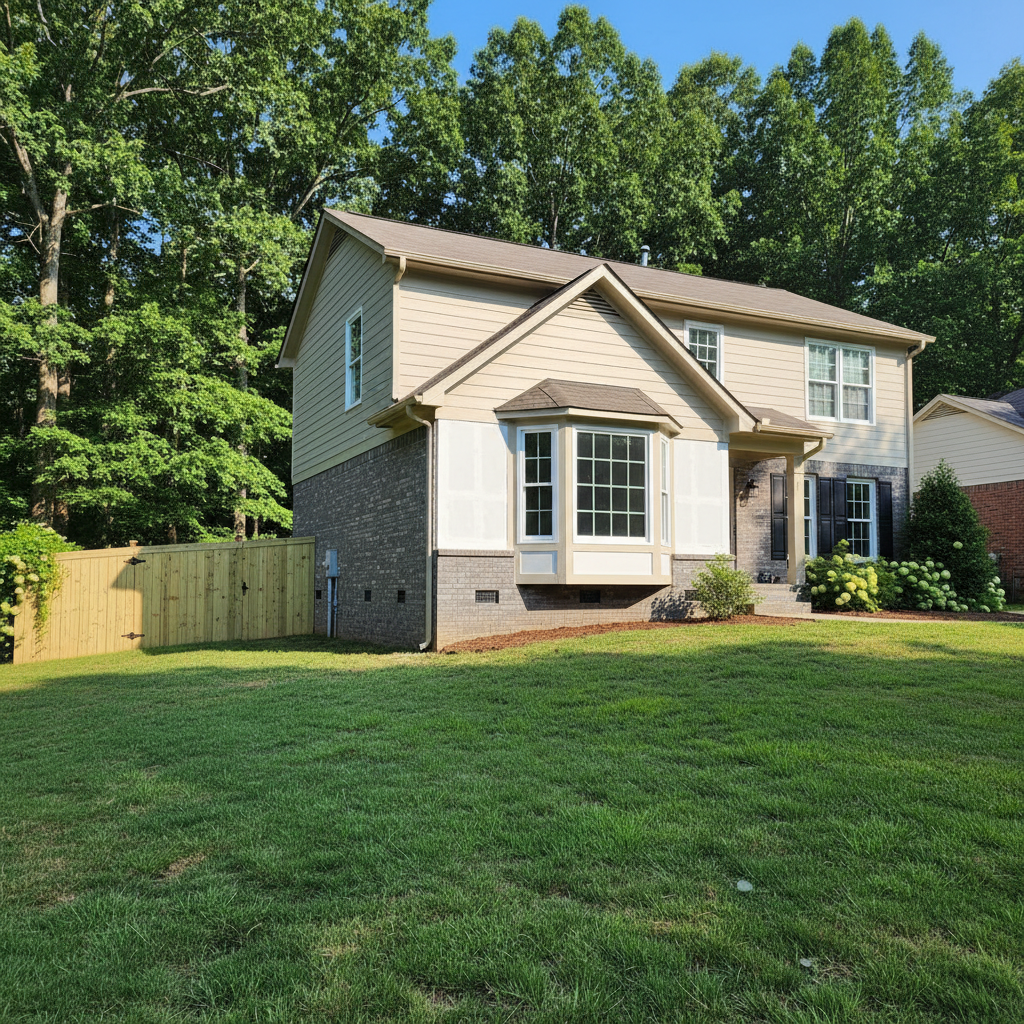
So, your home just got hit with water damage. Maybe a pipe burst, or a storm pushed water right inside. It's a really stressful time, and you need help fast, right? But how do you even pick the right company when everyone's promising the moon? As someone who's been in this business for years, I've seen it all—the good, the bad, and the downright ugly. Here's what you need to know to hire smart and protect your Charlotte home.
What to Ask Before They Even Touch Your Property
When you're talking to a potential water damage restoration company, don't be shy. You're hiring them to fix a serious problem, and you absolutely deserve to know they're up to the task. Here are some questions I'd hit them with, for sure:
- Are you IICRC certified? This is huge, truly. IICRC stands for the Institute of Inspection, Cleaning and Restoration Certification. It's basically the gold standard in our industry. If they're not certified, they might not know the proper drying techniques, which can lead to bigger problems like mold down the road. You want someone who really knows their stuff.
- What's your process for drying and monitoring? They should be able to explain it clearly, no problem. We're talking about using specialized equipment like dehumidifiers and air movers, and they should be taking moisture readings daily to ensure things are actually drying out. If they just say they'll 'dry it out,' well, that's not good enough.
- How do you handle contents? If your furniture, clothes, or other belongings are wet, what's their plan? Do they move them? Store them? Clean them? This is important for preserving your stuff and making sure it doesn't get damaged further, you know?
- Do you work directly with insurance? Most reputable companies do, thankfully. They should be able to help you navigate the claims process, but remember, they work for *you*, not the insurance company. They shouldn't be pressuring you to sign anything before you understand it.
- Can you provide local references? Any good company will have satisfied customers. Ask for a couple of recent ones you can call.
Spotting Red Flags: What to Watch Out For
Unfortunately, not everyone in this business plays fair. You've got to be on your guard, especially when you're feeling vulnerable. Here are some big red flags:
- High-pressure sales tactics. If they're pushing you to sign a contract immediately, saying the damage will get worse by the minute, or offering a 'today only' discount, walk away. Fast.
- Demanding cash upfront or a huge deposit. While some deposit might be reasonable, especially for larger jobs, be wary of anyone asking for the full amount or a significant chunk in cash before any work starts.
- No proper identification or unmarked vehicles. Professional companies have branded vehicles and uniforms. If someone shows up in a beat-up truck with no company name, that's a bad sign.
- Vague estimates or no written quote. Everything should be in writing. A verbal estimate isn't worth the paper it's not printed on.
- Promising to waive your deductible. This is insurance fraud, plain and simple. Any contractor suggesting this is shady, and you definitely don't want them involved with your home.
- Insisting on tearing everything out. Sometimes, things can be saved. If they're immediately talking about demolition without proper assessment and moisture readings, they might be trying to inflate the job.
What a Good Quote Looks Like
A solid quote isn't just a number, you know? It's a detailed breakdown of the work. Here's what you should expect:
- Clear scope of work. It should list exactly what they're going to do: water extraction, drying equipment setup, demolition (if necessary), cleaning, sanitizing, etc.
- Itemized costs. You should see individual line items for equipment rental (dehumidifiers, air movers), labor, materials, and any specialized services. This helps you understand where your money is going.
- Timeline. An estimated start and completion date, or at least a projected duration for the drying process.
- Terms and conditions. Payment schedule, cancellation policies, and any warranties should be clearly stated.
- Company information. Their full business name, address, contact info, and license numbers (if applicable). For us at Horizon Restoration Solutions, we make sure everything is transparent and easy to understand.
Verifying Legitimacy: Do Your Homework
Before you commit, do a little digging. It takes five minutes and can save you a world of headaches.
- Check their license. In North Carolina, general contractors need to be licensed for projects over $30,000. While water damage restoration itself doesn't always require a specific license if it's just drying, any repair work beyond that will. Ask for their license number and verify it with the NC Licensing Board for General Contractors.
- Look them up online. Check Google reviews, Yelp, and the Better Business Bureau (BBB). Don't just look at the star rating; read the actual reviews. How do they respond to negative feedback? That's telling.
- Confirm insurance. Ask for proof of liability insurance and workers' compensation. You don't want to be on the hook if someone gets hurt on your property or if they cause more damage.
- Local presence. A company with a physical office in the Charlotte area is generally more reliable than an out-of-towner who just shows up after a big storm. They know our climate, our building codes, and they're invested in the community.
Dealing with water damage is tough enough. Don't let a bad contractor make it worse. Take your time, ask the right questions, and trust your gut. You'll find a good, honest company that'll get your home back to normal.