When's the best time to deal with mold? That's a question I get a lot around Charlotte, and it's a good one. You might think mold remediation is just a 'whenever it happens' kind of thing, but our local climate actually plays a huge part in how effective the work is and how well your home recovers.
Understanding Charlotte's Humidity & Mold
Let's be real, Charlotte gets humid. Especially in the summer months, from June through September, the air can feel like a wet blanket. This isn't just uncomfortable; it's prime growing weather for mold. Mold spores are always around, floating in the air, but they need moisture to really take hold and spread. A leaky pipe in July? That's a mold explosion waiting to happen.
So, does that mean you should only do remediation in the dry months? Not necessarily. If you've got mold, you need to address it now. Waiting only makes the problem worse and more expensive. What it *does* mean is that the conditions during and after remediation are super important. We're always battling that moisture in the air.
When to Schedule Your Mold Remediation
Honestly, the best time to schedule mold remediation is as soon as you find mold. Period. Don't sit on it. However, if you have some flexibility, or if you're doing preventative work after a minor leak, here's what I've seen:
Fall & Spring: These are often ideal. The humidity isn't as brutal as summer, and we're not dealing with the deep chill of winter. This means we can often ventilate a bit more easily, and the drying process can be more efficient. The air conditioners aren't running constantly, which can help keep indoor humidity in check during the drying phase.
Winter: Can be good too, especially if it's a drier winter. The cold air holds less moisture, so if you're running your heat and keeping your home warm and dry, it can assist in the drying process after remediation. Just be careful not to seal everything up too tight without proper ventilation, or you're just trapping moisture inside.
Summer: This is when we're busiest with mold. It's hot, it's wet, and everything seems to grow faster. We can absolutely do remediation in the summer, but we'll be relying heavily on dehumidifiers and air movers to create an artificial dry environment. It might take a little longer to get things completely dry, and your energy bill might see a bump from all the equipment running. But again, don't wait if you find mold in July.
How Weather Conditions Affect the Work
When we're working, especially with water damage that leads to mold, the outside weather is always a factor. If it's pouring rain, we're not going to be opening every window in your house, right? We'll use specialized equipment to control the indoor environment. Dehumidifiers pull moisture out of the air, and air movers circulate it to speed up evaporation. We monitor humidity levels constantly to make sure we're getting things back to normal.
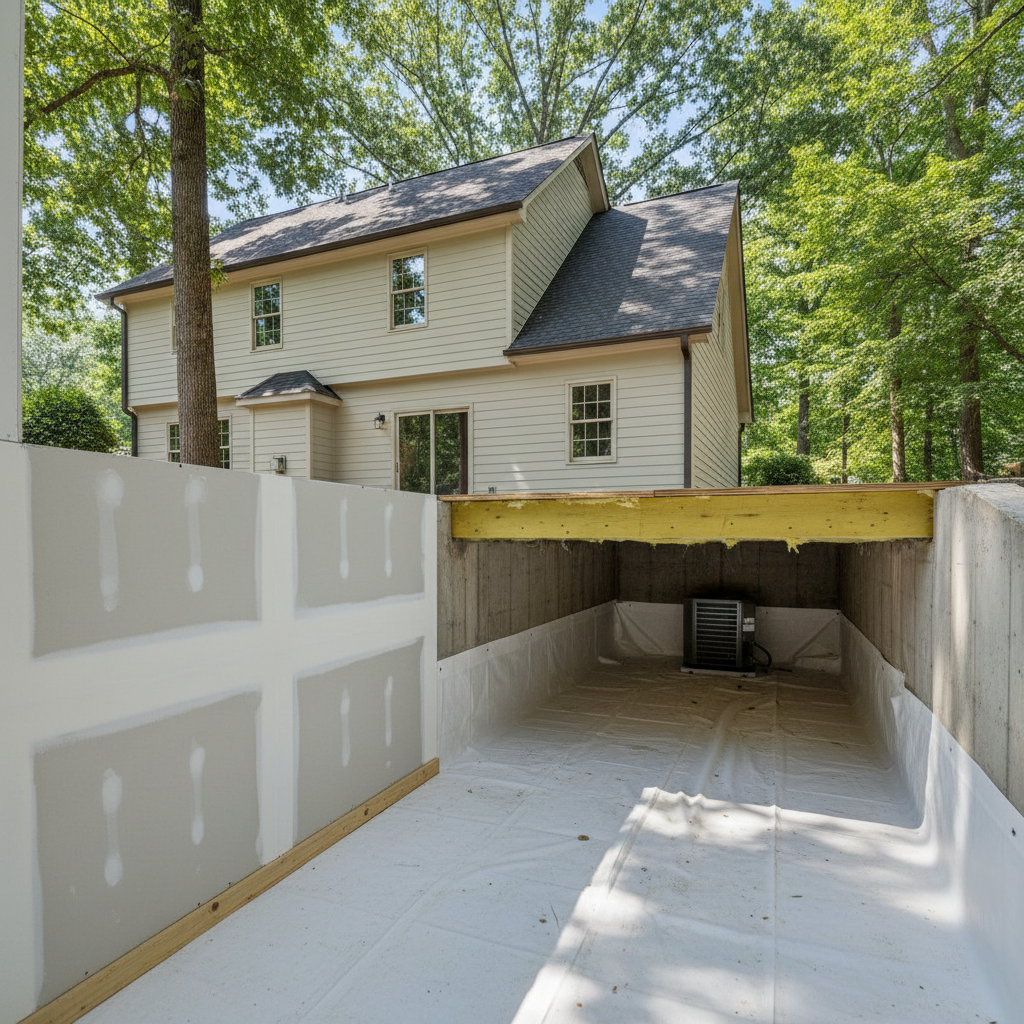
One thing I've noticed in older Charlotte homes, especially those in neighborhoods like Dilworth or Myers Park with basements or crawl spaces, is that they can be particularly susceptible to moisture intrusion. The clay soil we have here doesn't drain as well as sandy soil, so water can sit against foundations, leading to higher humidity levels inside. This is why proper drainage around your home is so critical, no matter the season.
Protecting Your Investment Year-Round
You've invested in your home, and you've invested in getting rid of mold. Now, how do you keep it that way?
Monitor Humidity: Get a hygrometer (they're cheap!) and keep an eye on your indoor humidity. Aim for 30-50%. If it's consistently higher, you might need to run a dehumidifier, especially in basements or crawl spaces.
Fix Leaks Immediately: This seems obvious, but people procrastinate. A small drip today is a big mold problem tomorrow.
Ensure Proper Ventilation: Exhaust fans in bathrooms and kitchens are your friends. Use them. If you have a crawl space, make sure it's properly encapsulated or vented to prevent moisture buildup.
Maintain Gutters & Downspouts: Make sure they're clean and directing water away from your foundation. This is huge for preventing water from getting into your crawl space or basement.
Regular HVAC Maintenance: Your AC not only cools but also dehumidifies. A well-maintained system works more efficiently to keep your home dry.
At Horizon Restoration Solutions, we're not just about fixing the problem; we're about helping you understand how to prevent it from coming back. Our climate here in Charlotte means we have to be a bit more vigilant, but with the right approach, you can keep your home dry and mold-free all year long.