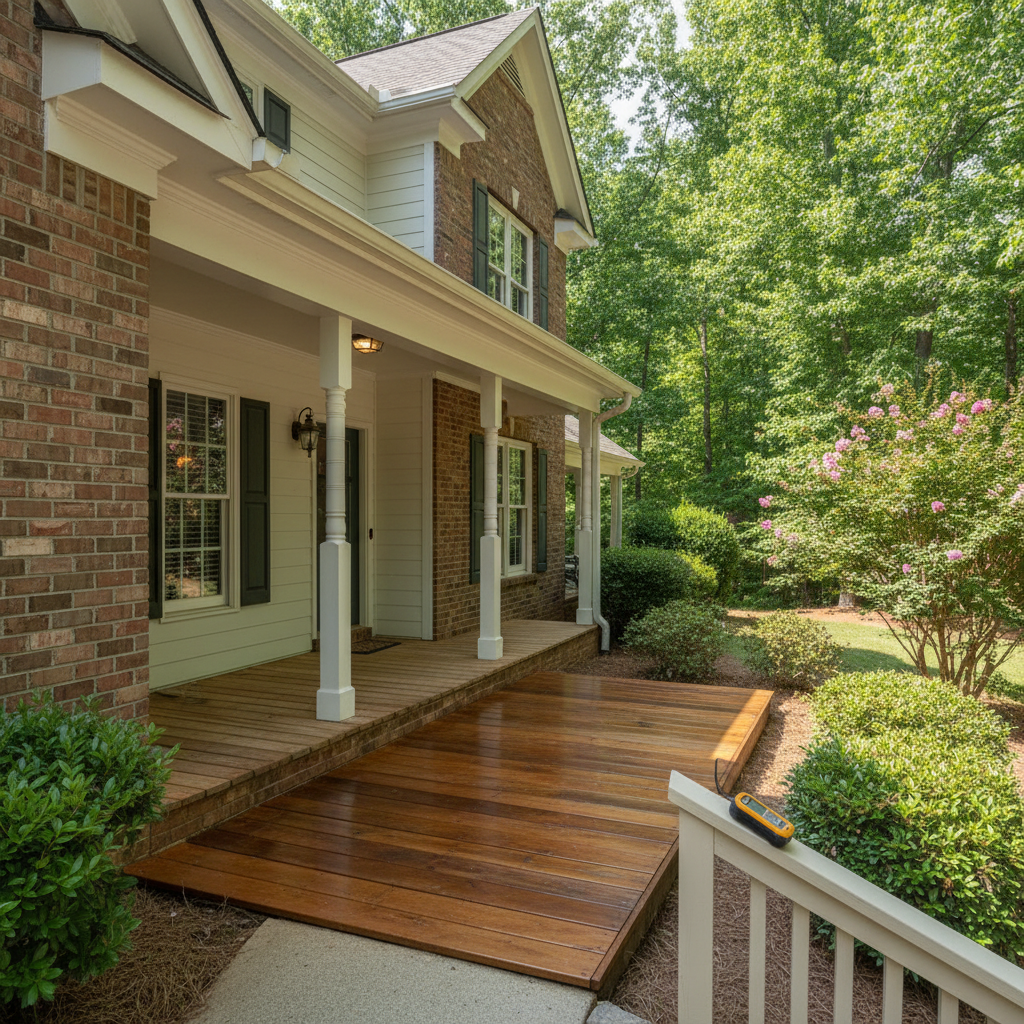
Why Charlotte's Seasons Really Matter for Water Damage Restoration
So, you've got water damage. What a pain, right? Your first thought is probably just to get rid of it, fast. And honestly, that's exactly the right move for stopping the immediate problem. But once the initial drying and mitigation are done, and you're actually looking at the restoration work – replacing drywall, flooring, painting, all that stuff – the timing can actually make a huge difference, especially here in Charlotte.
We're not dealing with super cold or really dry deserts. Nope, we've got a humid subtropical climate, which means our weather patterns directly affect how quickly things dry, how materials react, and ultimately, how well your restoration holds up long-term. You wouldn't try to fix a leaky roof in the middle of a hurricane, would you? It's the same idea for other restoration jobs.
Summer: Heat, Humidity, and a Need for Speed
Our Charlotte summers are hot and sticky. We're talking 90-degree days with humidity so thick you feel like you're swimming through the air. If you've had water damage during this time, the first drying phase is absolutely critical and needs to be aggressive. Mold just loves heat and moisture, and it can explode in July and August.
For the actual repair work, that high humidity can be a bit of a mixed bag. On one hand, the heat does help moisture evaporate. But on the other, if you're not careful, new materials like drywall compound or paint might take longer to cure properly, or they could even trap moisture if the air isn't controlled. We've seen people try to rush painting after a repair in peak summer, only to have it peel or bubble later because the layers underneath weren't fully dry. That's why we really push for controlled environments during restoration, no matter the season. If you're doing big repairs, getting your HVAC system running well is key, or we'll bring in dehumidifiers to keep things stable.
Fall: The Sweet Spot for Many Repairs
If you're lucky enough to plan your restoration work – maybe it's a slow leak you finally tackled, or a smaller repair after the initial cleanup – fall is often a fantastic time. Think late September through November. The temperatures are usually milder, the humidity starts to drop, and we get those beautiful, crisp days. This is perfect for things like painting, putting in new flooring, and cabinet work. Materials dry and cure more evenly without the extreme stress of summer heat or winter cold.
It's also a smart time to get ahead of any potential winter problems. If you had a water heater leak in the spring and you're finally getting around to replacing the damaged flooring, doing it in the fall means your home is all buttoned up before the colder temperatures hit. Plus, scheduling can sometimes be a bit easier outside of the summer rush, you know?
Winter: Burst Pipes and Indoor Work
Winter in Charlotte isn't usually brutal, but we do get those cold snaps, sometimes dipping below freezing for days. This is prime time for burst pipes, especially in older homes or those with poorly insulated crawl spaces. If you've got a burst pipe, well, obviously you deal with it right away. The restoration work that follows, though, can actually benefit from the lower outdoor humidity.
Indoor repair work like drywall replacement, trim, and painting can go quite well in winter. Your heating system keeps the indoor environment stable and helps things dry. Just remember to ventilate when painting or using certain adhesives. We've seen homes in Dilworth with older plumbing really get hit hard by a sudden freeze, and getting those repairs done when the air is drier outside can actually help the process along, as long as the indoor temperature stays consistent.
Spring: The Return of Rain and Humidity
Spring brings beautiful weather, but also more rain. This means higher outdoor humidity again, similar to summer, though usually not quite as hot. If you're doing exterior repairs that are part of a water damage issue – say, fixing a leaky window that caused inside damage – spring can be a little tricky. You really need dry days for things like exterior painting or sealing. For interior work, you're back to managing that humidity.
One thing to watch out for in spring is the increased chance of storms. If you're in the middle of a restoration project that leaves parts of your home exposed, a sudden spring thunderstorm can really set you back. We always plan our projects with weather forecasts in mind, making sure we're not leaving your home vulnerable.
Protecting Your Investment Year-Round with Horizon Restoration Solutions
No matter the season, the secret to a successful water damage restoration is proper drying, good quality materials, and experienced hands. You can protect your investment by:
- Acting fast: Don't let a small leak turn into a huge problem because you're waiting for the 'perfect' season. Immediate mitigation is always priority one.
- Keeping up with home maintenance: Regularly checking your plumbing, roof, and gutters can prevent a lot of headaches. Make sure your crawl space isn't holding moisture, especially in our humid climate.
- Working with the pros: We understand how Charlotte's climate affects building materials and drying times. At Horizon Restoration Solutions, we tailor our approach to make sure your repairs last, whether it's a sweltering July or a chilly January. We're not just fixing the damage; we're helping you get your home back.
Ultimately, the best time to restore water damage is as soon as you can, but knowing how our local weather plays into the process helps you understand why we do things the way we do. It's all about getting your home back to normal, and making sure it stays that way.